

 简体中文
简体中文 English
-
11 2024-12
Importance of Container Closure Integrity in Autoinjector
Importance of Container Closure Integrity in Autoinjector
Definition of CCIT
• Container Closure Integrity Testing (CCIT) is an assay that evaluates the adequacy
of container closure systems to maintain a sterile barrier against potential
contaminants.
• Contaminants that could potentially cross a container closure barrier include
microorganisms, reactive gases, and other substance.
• CCIT is commonly referred to as leak detection.
• Leak: There are many risks associated with glass, including issues such as
breakage, delamination, leachable, and physical and chemical compatibility with the
drug product itself that can affect the safety and efficacy of a pharmaceutical product. -
11 2024-12
GUIDELINES
The Rules Governing Medicinal Products in the European Union
Volume 4 EU Guidelines for Good Manufacturing Practice for Medicinal Products for
Human and Veterinary Use
The manufacture of sterile products covers a wide range of sterile product types (active substance, excipient, primary packaging material and finished dosage form), packed sizes (single unit to multiple units), processes (from highly automated systems to manual processes) and technologies (e.g. biotechnology, classical small molecule manufacturing systems and closed systems). This Annex provides general guidance that should be used in the design and control of facilities, equipment, systems and procedures used for the manufacture of all sterile products applying the principles of Quality Risk Management (QRM), to ensure that microbial, particulate and endotoxin/pyrogen contamination is prevented in the final product. -
11 2024-12
2022The science The behind the integrity of single-use system: InvInvestigating estigating liquid leak and micrand microbial ingrobial ingress mechanisms ess ttoo determine the maximum allowable leakage limit
Integrity is a critical guality attribute of our single-use systems as an integrity breach can have dramatic impacts on patientsafety, operator safety or drug availability. Growing industry scrutiny of single-use system integrity (SUSl) is raising the needto develop good science behind reliable determination of liquid leakage and microbial ingress, as well as the appropriatephysical integrity testing technologies. The results of the experiments performed to understand the mechanisms of liquidleakage and microbial ingress of SUSl are presented. A relation between liquid leakage and microbial ingress mechanismsin single- use plastic containers are confirmed. Microbial ingress testing by the aerosolization and the liquid leakage test areused to determine the maximum allowable leakage limit (MALL). Statistical analvsis indicated the probability of MALL at acertain defect size for each system.
With additional experiments a correlation between a certain defect size and the corresponding gas flow rate is found. TheMALL defined as a gas flow rate will link to a physical integrity testing system.The methods provide an accurate way of predicting ingress, increasing safety down the line for drug manufacturers andpatients alike. -
11 2024-12
Ozone Detection in Pharmaceutical Containers
Ozone Detection in Pharmaceutical Containers
Pharmaceutical vials are subjected to a high voltage leak detection (HVLD) test. A
high voltage (up to 30kV) is passed across the surface of the vial and the presence
of a crack is detected through a change in the current. HVLD has been linked to
the breakdown of active pharmaceutical ingredients (APIs) and it is hypothesised
that ozone, a strong oxidising agent, generated as a consequence of the high
voltage, is responsible. (1) It is crucial that the manufacturing process is designed
to minimise any changes to the molecular structure of biopharmaceuticals and
this extends to ensuring that container integrity testing does not cause product
degradation. -
11 2024-12
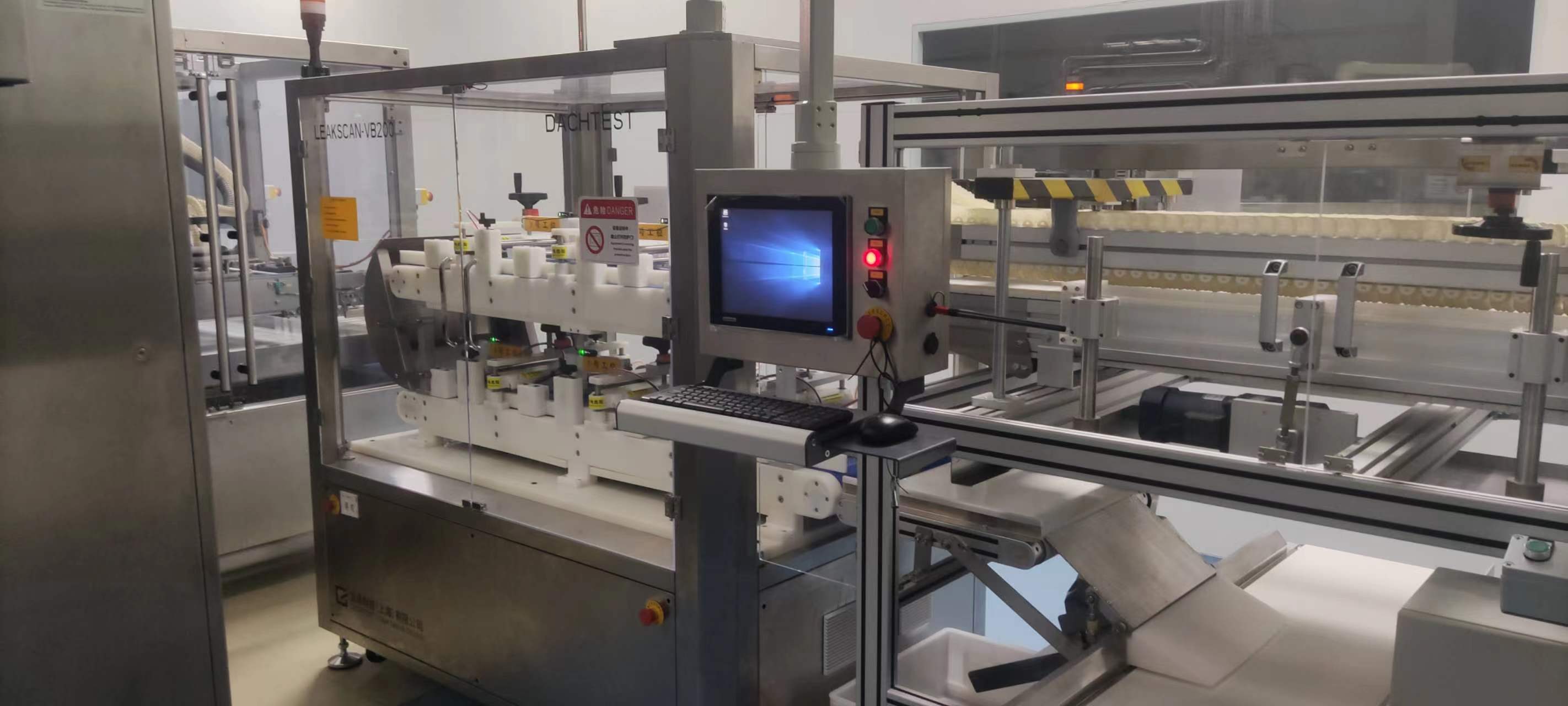
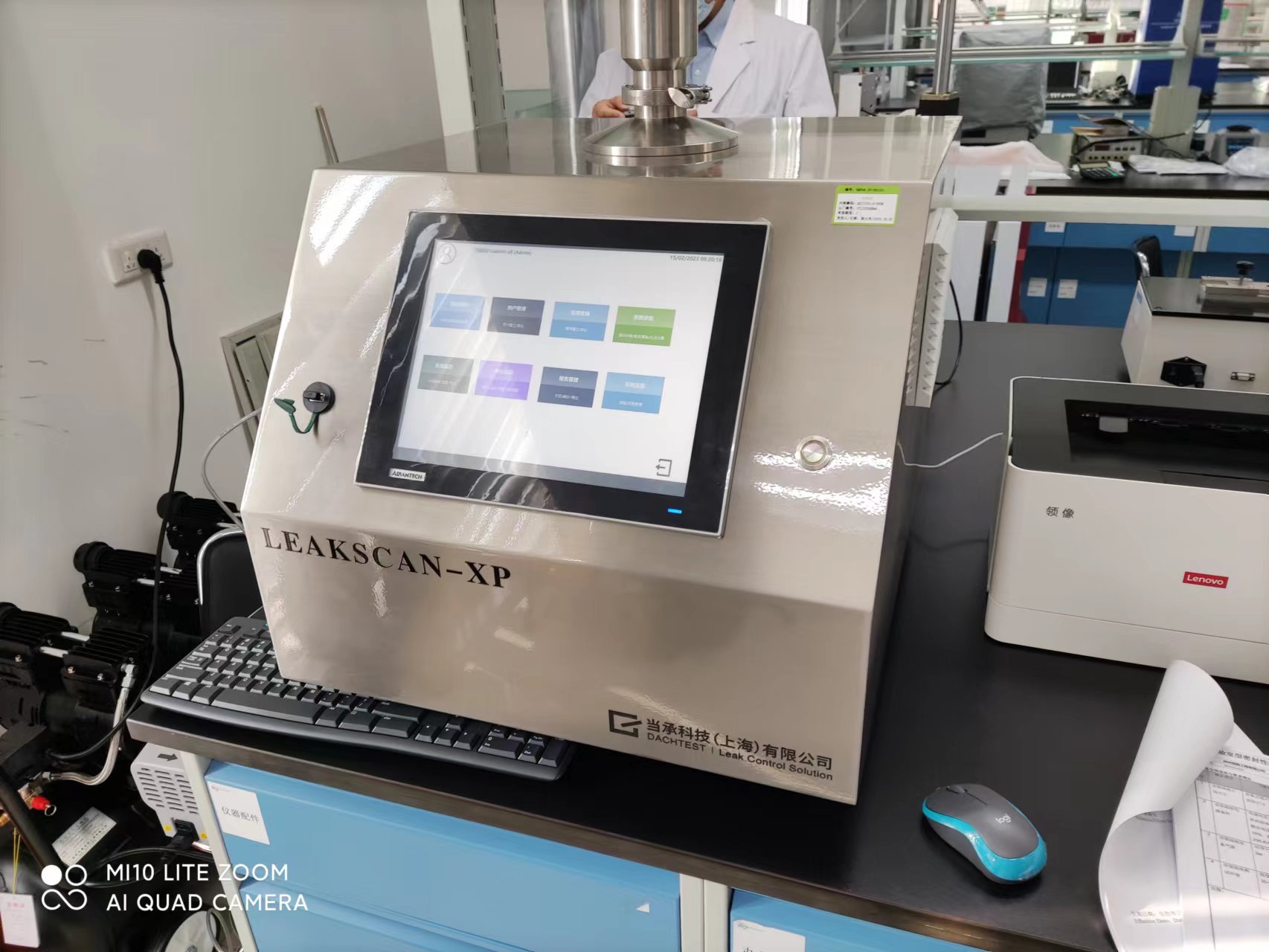
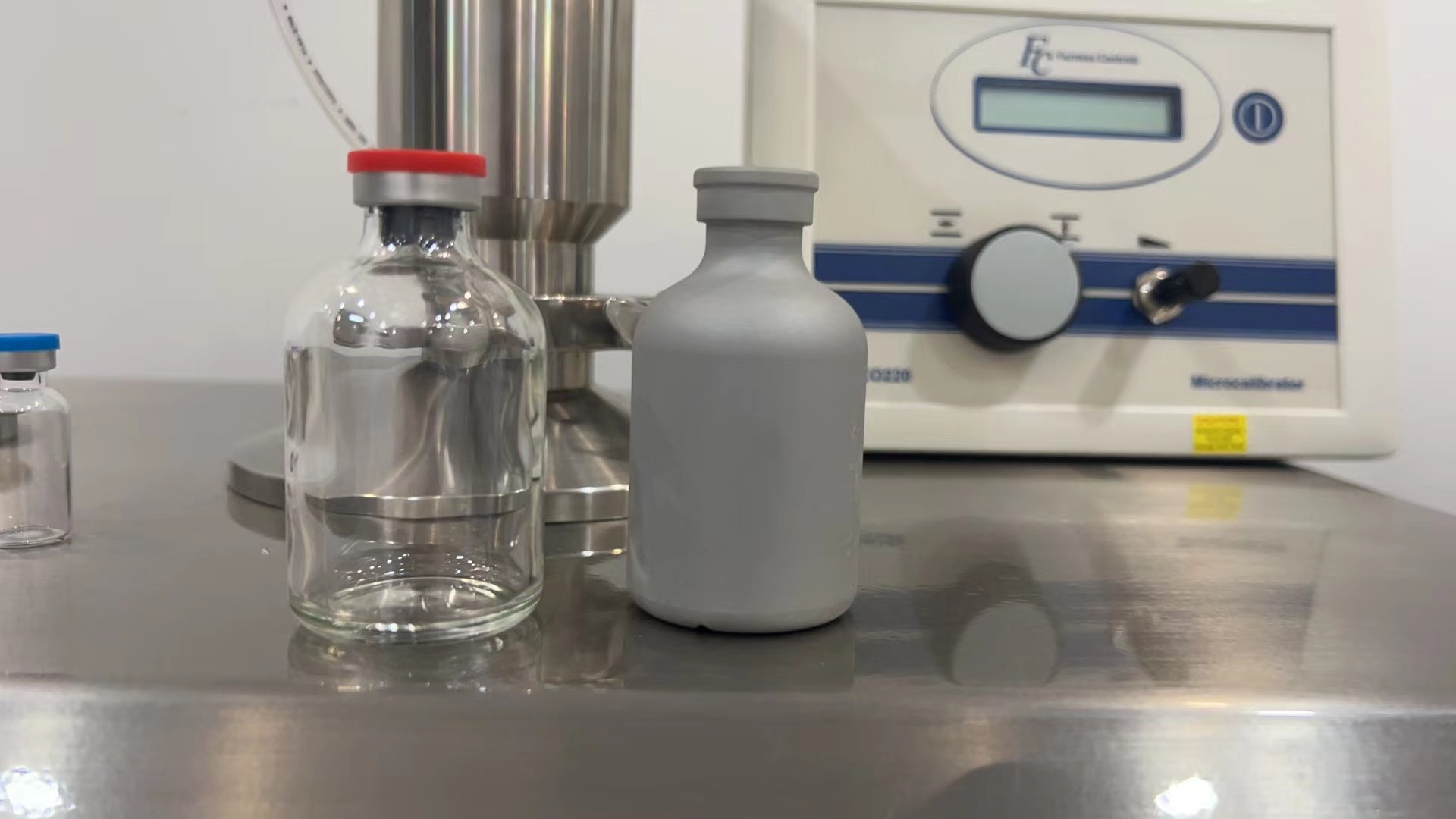
Container Closure Integrity Assurance throughout Manufacturing Processes
Container Closure Integrity Assurance throughout Manufacturing Processes
• Bag integrity failures significantly impact:
– Patient & operator safety
– Drug availability
– Cost
• Increasing regulatory scrutiny on SU Container
Closure Integrity Testing (CCIT)
• Lack of common understanding


地址:上海宝山区罗宁路1288弄联东U谷22号楼A栋203室
当承科技